Showing posts with label First. Show all posts

Saturday, August 24, 2019

How to Create Your Own Cryptocurrency


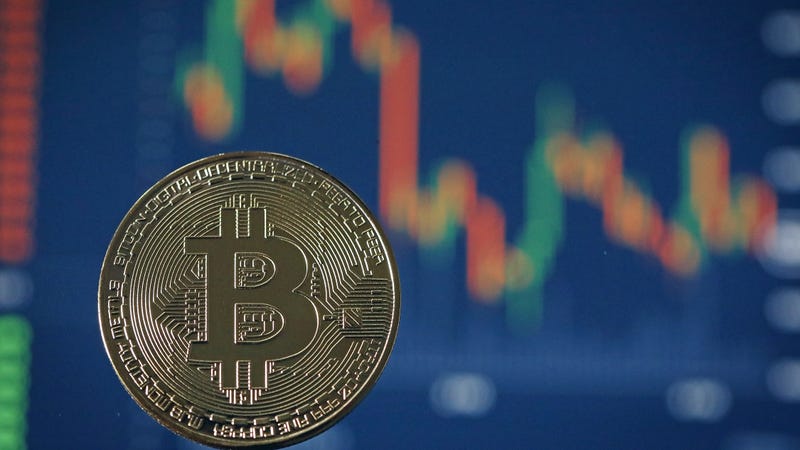
Image: Dan Kitwood (Getty Images)
If you aren’t an expert coder but have been a keen armchair observer of Bitcoin, Dogecoin, and every other increasingly niche cryptocurrency, you might be wondering if it’s feasible to create your own.
In short: yes. But there are quite a few different options to consider—and caveats to keep in mind—before you dive in.


Know the Difference Between a Coin and a Token

First, it’s important to understand the difference between coins and tokens. Both are cryptocurrencies, but while a coin—Bitcoin, Litecoin, Dogecoin—operates on its own blockchain, a token lives on top of an existing blockchain infrastructure like Ethereum. A blockchain is, at its simplest, a record of transactions made on and secured by a network. So while coins have their own independent transaction ledgers, tokens rely on the underlying network’s technology to verify and secure transactions and ownership. In general, coins are used to transfer wealth, while tokens can represent a “contract” for almost anything, from physical objects to event tickets to loyalty points.
Tokens are often released through a crowdsale known as an initial coin offering (ICO) in exchange for existing coins, which in turn fund projects like gaming platforms or digital wallets. You can still get publicly available tokens after an ICO has ended—similar to buying coins—using the underlying currency to make the purchase.
Anyone can create a token and run a crowdsale, but ICOs have become increasingly murky as creators take investors’ money and run. The Securities and Exchange Commission is cracking down on ICOs and moving to treat tokens as securities that, like stocks, must be regulated. The SEC cautions investors to do their research before buying tokens launched in an ICO.
At the time of writing, CoinMarketCap lists 895 coins and 679 tokens available on public exchanges. Not all tokens made it to exchanges, however — Etherscan, which provides Ethereum analytics, has more than 71,000 token contracts in its archive. While the crypto market is volatile, experts believe that it will continue to mature as more people adopt the idea.
The very idea behind cryptocurrency is that the underlying code is accessible to everyone—but that doesn’t mean it’s easy to understand. Here are the paths to creating your very own coins and tokens.

Build Your Own Blockchain—or Fork an Existing One

Both of these methods require quite a bit of technical knowledge—or the help of a savvy developer. Because coins are on their own blockchains, you’ll have to either build a blockchain or take an existing one and modify it for your new coin. The former takes serious coding skills and even though tutorials exist to walk you through the process, they assume a certain knowledge level, and you don’t finish with a fully functioning coin.
Alternatively, you can fork an existing blockchain by taking the open-source code found on Github—Litecoin, for example—making a few changes, and launching a new blockchain with a new name (like Garlicoin). Again, this requires you to understand the code so you know what to modify and why.

Launch a Coin or Token Using a Cryptocurrency Creation Platform

This option is the most feasible for the average person—a creation service will do the technical work and deliver your finished coin or token back to you. For example, CryptoLife will actually build a custom coin, and all you have to do is enter the parameters, from the logo to the number of coins awarded for signing a block. (That is, when they’re open for business—as of press time, orders are currently closed.) They even have pre-built templates that only require you to provide a name and a symbol. The base price for this service is 0.25 BTC ($2002.00 as of this writing), and you’ll receive your coin’s source code in a few days. WalletBuilders has a similar service starting at 0.01 BTC as well as a free test version.
You can also create a token—what is essentially a smart contract—with or without a public ICO. Because tokens can represent any asset, from a concert ticket or voting right to funding via a crowdsale or a physical currency, you can even create a token with no real value or serious purpose other than to exchange among friends. This is faster, simpler, and cheaper than creating a coin because it doesn’t require the time and effort to build and maintain a new or forked blockchain and instead relies on the technology already in use for Bitcoin or Ethereum.

A common product is an ERC-20 token, the standard for those built on the Ethereum blockchain. The code for these token contracts and crowdsales is also available for the very ambitious, but there are user-friendly platforms that will walk you through the process.
With CoinLaunch’s CoinCreator, for example, you’ll need to add the MetaMask extension—which connects you to the Ethereum network—to your browser and then follow their walk-through video to build your token and launch your ICO. The platform offers the option to create bonuses and vesting schedules for investors or even launch a token contract without a crowdsale. The token contract process is free, but CoinLaunch takes a commission from each ICO (4-10% depending on much money is raised).
If you’re crypto-curious, there’s no penalty to experimenting with token contracts. Start with an ERC-20 token—using CoinLaunch, for example—that you can distribute to your friends and then cash in to whoever buys drinks at the bar. There’s no monetary value or commitment attached, but this will help you understand the technical aspect as well as how tokens work. An ICO probably won’t be appropriate for the casual observer because of increasing regulation and penalties for misrepresentation.
If you want to go a step further to create a coin with real value for a broader audience to mine, buy, and sell, and you don’t have coding experience, you’ll probably want the help of one or more developers. Even if you use a service to build your currency, you’ll need to maintain it—know that this won’t be cheap or risk-free. The subreddit r/coindev and sites like CodementorX will connect you with crypto developers for your project.
The technical creation of a cryptocurrency isn’t actually the hardest part of launching a successful crypto project. The real work is in giving your coin or token value, building the infrastructure, maintaining it, and convincing others to buy in—even memecoins, such as Garlicoin, Dogecoin, and PepeCoin, have developers and user-facing teams to keep the technology stable and the community engaged. Plenty of cryptocurrencies are unsuccessful, even questionable from a legal standpoint, because the ICO wasn’t created in good faith or the coin failed to generate lasting interest. The term “shitcoin” exists for a reason.

Donate
BTC = 378u5ptJu93aK8ZumEVWn6DBm225WmuHo3
ETH = 0xC5b948B4C287d92818B7DCA5FB4c0e830A03C19C
BCH = qpwmuh5wpncqx4qgss5gwgwjhksg2r8we52q5xrls5
LTC = MSfNoPWfHgyk2t9vmfWFU89GoBtHycT7uw
ETC = 0xbE250Cc0C563fac53cF0b453F96E08c2f72bE6cb

Monday, April 1, 2019

How to lose weight eassy way?


How to Lose Weight Quickly and Safely


You want to drop pounds, now. And you want to do it safely. But how?
First, keep in mind that many experts say it’s best to lose weightgradually. It’s more likely to stay off. If you shed pounds too fast, you’ll lose muscle, bone, and water instead of fat, says the Academy of Nutrition and Dietetics.
The academy’s advice: Aim to lose 1-2 pounds per week, and avoid fad diets or products that make promises that sound too good to be true. It’s best to base your weight loss on changes you can stick with over time.
For faster results, you’ll need to work with a doctor, to make sure that you stay healthy and get the nutrients that you need.

Make a Plan

You’ve probably heard the saying, “calories in, calories out”; as in, you just need to burn more calories than you eat and drink.
Your metabolism -- how well your body turns calories into fuel -- also matters. And if you cut too many calories, it’s bad for you. You slow down your metabolism, and that can make you fall short on some nutrients.
There are many ways you can do this, without cutting calories too much. You could:
  • Cut back on portions.
  • Figure out how many calories you get in a usual day, and trim back a bit.
  • Read food labels to know how many calories are in each serving.
  • Drink more water, so you’re not so hungry.
Whatever method you use, you’ll need to favor good-for-you foods like vegetables, fruits, whole grains, and lean protein so you keep up good nutrition. Working with a dietitian is a good idea, so you make a plan that covers those needs.

Get Accountability and Support

Many apps can help you track your eating. Since you probably have your smartphone with you all the time, you can use it to keep up with your plan. Or keep a pen-and-paper food journal of what you ate and when.
You’ll also want to have people on your side to help you stay motivated and to cheer you on. So ask your family and friends to support your efforts to lose weight.
You might also want to join a weight loss group where you can talk about how it’s going with people who can relate. Or talk with someone you know who’s lost weight in a healthy way. Their encouragement is “contagious,” in a good way!

Find Out What Drives You to Eat

At the most basic level, food is fuel. It gives you energy to do things. But very few people eat just for that reason. It’s at every social gathering. And it’s where a lot of us turn when we have a rough day.
You’ll need to know what makes you want to eat when you’re not hungry, and have a plan for those moments.
The first step is finding out what your triggers are. Is it stress, anger, anxiety, or depression in a certain part of your life? Or is food your main reward when something good happens?

Next, try to notice when those feelings come up, and have a plan ready to do something else instead of eating. Could you take a walk? Text a friend?
Lastly, reward yourself for making a different choice. Just don’t use food as the reward.

Reset What and When You Eat

You don’t have to go vegan, gluten-free, or quit any particular food group to lose weight. In fact, you’re more likely to keep the pounds off for good if it’s something you can live with for the long term.
But it does make sense to cut way down on, or totally cut out, empty calories.
Limit added sugars. These are the sugars in cookies, cakes, sugar-sweetened drinks, and other items -- not the sugars that are naturally in fruits, for instance. Sugary foods often have a lot of calories but few nutrients. Aim to spend less than 10% of your daily calories on added sugars.
Be choosy about carbs. You can decide which ones you eat, and how much. Look for those that are low on the glycemic index (for instance, asparagus is lower on the glycemic index than a potato) or lower in carbs per serving than others. Whole grains are better choices than processed items, because processing removes key nutrients such as fiber, iron, and B vitamins. They may be added back, such as in “enriched” bread.
Include protein. It’s satisfying and will help keep up your muscles. There are vegetarian and vegan sources (nuts, beans, and soy are a few), as well as lean meat, poultry, fish, and dairy.
Most Americans get enough protein but could choose to get it from leaner sources, so you may already have plenty in your diet. Your exact protein needs depend on your age, gender, and how active you are.
Make friends with good fats. Small amounts of fat can help you feel full and less like you’re on a diet. The better choices are those in fish, nuts and seeds, and olive oil. Those have unsaturated fats -- polyunsaturated or monounsaturated fats, specifically.
Fill up on fiber. You can get that from vegetables, whole grains, fruits -- any plant food will have fiber. Some have more than others. Top sources include artichokes, green peas, broccoli, lentils, and lima beans. Among fruits, raspberries lead the list.

Eat more often. If you eat 5-6 times a day, it could keep hunger at bay. You could split your calories equally across all of those mini-meals, or make some bigger than others. You will need to plan portions so that you don’t end up eating more than you bargained for.
What About Meal Replacements? These products will control your calories. They’re convenient and take the guesswork out of dieting.
Again, though, you’ll need to change your eating habits to keep the weight off if you go off the meal replacements.
Watch your drinks. One easy way to lose weight quickly is to cut out liquid calories, such as soda, juice, and alcohol. Replace them with zero-calorie drinks like lemon water, unsweetened tea, or black coffee.
Diet drinks will save you calories, compared with sugary beverages. But if you then reach for a cookie or other treat because you’re still hungry or you think you saved enough calories for it, that plan backfires.

Should You Fast?

You might think that fasting is a quick way to drop pounds. But experts don’t recommend it, because it’s not a long-term solution. It’s better to have an eating plan that you can stick to over time and fits into your lifestyle.
All fasts aren’t the same. Some involve skipping all food. There are also fasts where you eat every other day. There hasn’t been a lot of research on how well off-and-on fasting works in the long run.
During the first days of your fast, you may feel hungry and grumpy. You may also get constipated. And you won’t have the energy to do much, physically. Drink lots of water and take a daily multivitamin. You should also tell your doctor, especially if you take medications that will probably need to be adjusted.
Remember that if you do fast, you’ll still need to change your eating habits once your fast ends.
No matter how you kick-start your weight loss, the best way to keep it off is with long-lasting lifestyle changes, like a healthy eating plan and physical activity. If you’re not sure where to start, how many calories to cut, or how to do it safely, you might want to consult a registered dietitian.
This are the most safe and eassy idea to loose weight.